The Definitive Guide
HOWDY CREATIVE — BRAND DESIGN
14 chapters of in-depth articles, mapping out your brand's full picture
Brand design is more than visual polish — it is systems engineering from strategy to execution. Whether you are starting a business, planning a brand upgrade, or exploring brand design for the first time, you will find direction here.
Free Brand Consultation Explore Our Services
Good brand design doesn't make people remember what you look like — it makes them unable to forget how you made them feel.
— Howdy Creative / Design Philosophy
BRAND DESIGN PHILOSOPHY
Systems Engineering from Strategy to Execution
Brand design spans both strategy and visuals — neither can stand alone. Based on our experience serving hundreds of companies, brand design is worth the investment because it solves three core pain points:
Lowering communication costs, building market trust, and creating price premiums. When your brand has a clear visual system, customers sense your professionalism without needing extra explanation.
CHAPTER OVERVIEW
14 Chapters Covering the Full Scope of Brand Design
From the fundamentals of “what is a brand” to the advanced topic of “ESG sustainable brand design,” each chapter addresses a real challenge you may be facing
What Is Brand Design?
From strategic positioning to visual execution — how brand design solves the three core pain points of communication cost, market trust, and price premium.
Read More CHAPTER 02Brand Identity System (CIS)
Mind Identity (MI), Behavior Identity (BI), and Visual Identity (VI) — three dimensions that keep every touchpoint consistent.
Read More CHAPTER 03Logo Design: The First Impression
Now that AI tools are widespread, logo design was never about "does it look good" — it's about whether it precisely conveys your brand positioning and differentiation.
Read More CHAPTER 04Typography & Layout Strategy
Typeface is the most overlooked yet most influential design element in a brand. Get the font right, and the brand's character comes through automatically.
Read More CHAPTER 05Brand Guidelines
A solid brand manual is the best insurance for visual consistency, recording logo usage rules, color systems, and layout standards.
Read More CHAPTER 06The Art of Subtraction in Brand Story
A great brand story makes people remember who you are within three seconds. The key isn't saying more — it's distilling better.
Read More CHAPTER 07Business Card, Poster & Flyer Design
Every business card, every flyer, is one of a brand's densest touchpoints in the physical world — an extension of brand strategy.
Read More CHAPTER 08Exhibition & Spatial Brand Design
Exhibition design is where a brand moves from flat to three-dimensional — a successful booth is an immersive stage for the brand story.
Read More CHAPTER 09Branded Merchandise
Branded merchandise isn't a "giveaway with a logo on it" — it's a physical extension of brand value, upgrading the brand from "seen" to "collected."
Read More CHAPTER 10Digital Brand Design
A company website is a brand's 24-hour storefront. A good site isn't just attractive — it needs SEO-friendliness, mobile responsiveness, and more.
Read More CHAPTER 11ESG & Sustainable Brand Design
ESG is no longer just a compliance obligation — it's a new battleground for building brand trust and differentiation. Turn sustainability data into brand narrative.
Read More CHAPTER 122026 Brand Design Trends
The keywords for 2026: humanity, sustainability, strategy-first. Consumers have grown immune to overly polished visuals.
Read More CHAPTER 13Brand Design Budget Planning
The 5:3:2 rule for brand budgets — allocate resources strategically based on your company's stage and goals, so every dollar counts.
Read More CHAPTER 14How to Choose a Brand Consultant?
Choosing a brand consultant isn't about finding the "cheapest" option — it's about finding a partner who "understands your industry" and can "turn strategy into business results."
Read MoreHIGHLIGHTED CHAPTERS
Featured Chapters
These four chapters are the ones business owners ask about most, and the ones with the greatest impact on brand decisions
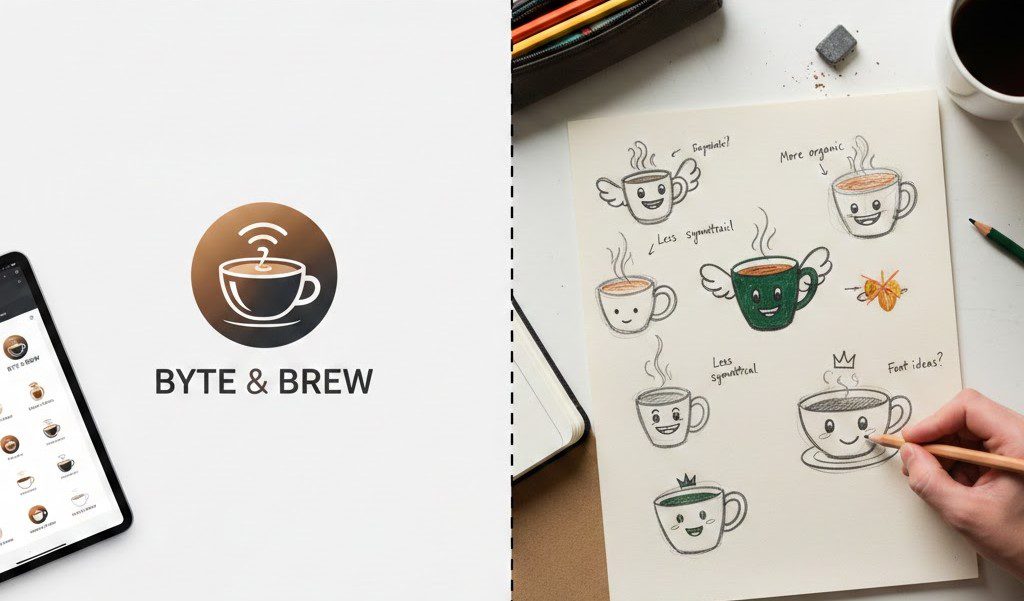
CHAPTER 02 — CIS
Why Is Doing Only a Logo the Biggest Mistake in the Early Stage?
As a company grows, visuals start to fragment — one color on the business card, another on the website, something else entirely in the deck. A complete CIS is the real fix.
Read Full Chapter
CHAPTER 06 — STORY
The Art of Subtraction in Brand Story: Cut It Down to What Matters Most
In an age of saturated digital noise, the key to a brand story isn't saying more — it's distilling better. How do you make people remember you in three seconds?
Read Full Chapter
CHAPTER 12 — TRENDS
2026 Brand Design: Human-Centered Design Brings Back Warmth
As AI generation technology peaks, consumers crave the "human touch" and warmth of a brand even more. Flawless perfection is no longer a competitive edge.
Read Full Chapter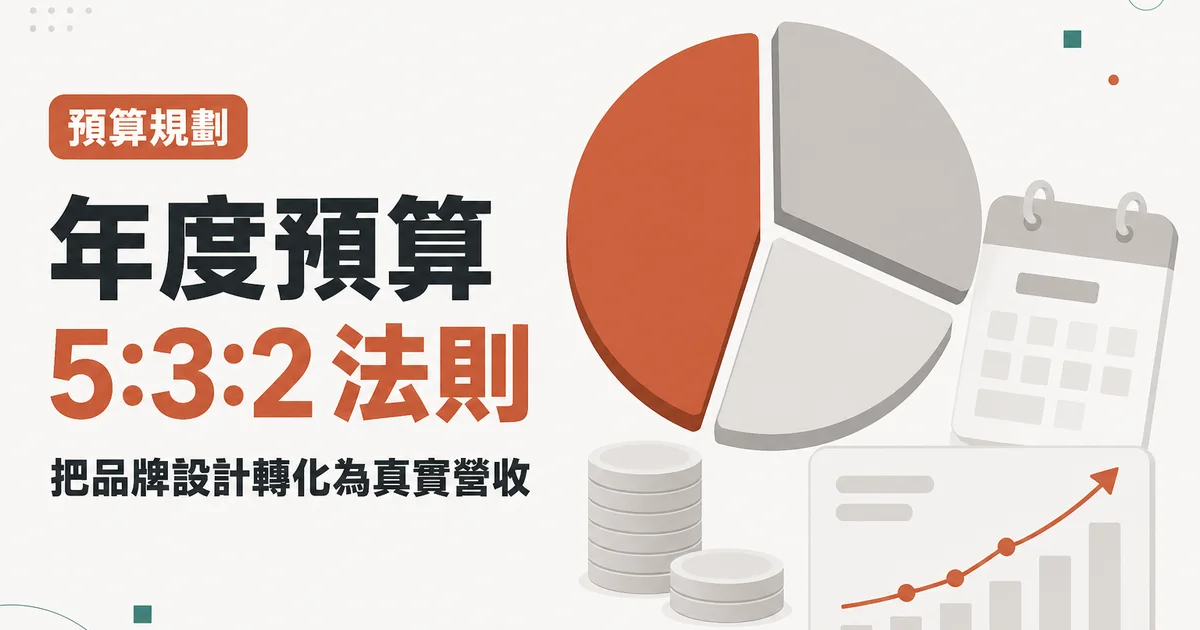
CHAPTER 13 — BUDGET
The 5:3:2 Rule for Brand Budgets
How much does brand design actually cost? Allocate resources strategically based on your company's stage and goals, so every investment has a clear rationale.
Read Full ChapterFAQ
Frequently Asked Questions
The five questions we’re asked most about brand design, answered clearly.
Still have questions? Talk to us →
What's the Difference Between Brand Design and Logo Design?+
Logo design is just one part of brand design. Full brand design covers the identity system (CIS), visual applications (business cards, posters, packaging), spatial design (exhibitions, storefronts), digital design (website, social media), and the integrated planning of every brand touchpoint.
Does Brand Design Always Cost a Lot?+
The cost of brand design depends on your company's stage and scope of needs. Early-stage businesses can start with core identity (logo + basic VI) and expand as the company grows. The priority is making sure every investment has a strategic rationale — we recommend the 5:3:2 budget rule.
How Long Does Brand Design Take?+
A complete brand identity system (CIS) usually takes 2–4 months, covering strategic positioning, design development, revisions, and manual production. A single item (like logo design) takes about 3–6 weeks. Timing depends on communication efficiency and decision speed.
Do Small and Medium Businesses Really Need Brand Design?+
Precisely because resources are limited, SMEs need brand design even more. A strong brand identity lowers marketing communication costs, builds customer trust, and creates price premiums — all key to standing out in competition.
How Do I Choose a Brand Design Company?+
We recommend evaluating three areas: first, whether they understand your industry and market; second, whether they have real strategic capability, not just visual craft; third, whether their past cases show depth of brand strategy, not just visual polish.